

The Tangier-Tetouan-Al Hoceima region recorded the beginning of a distinguished agricultural season with the achievement of over 411,000 hectares of autumn crops, alongside the reception of significant water imports that enhanced the surface and groundwater levels in the region.
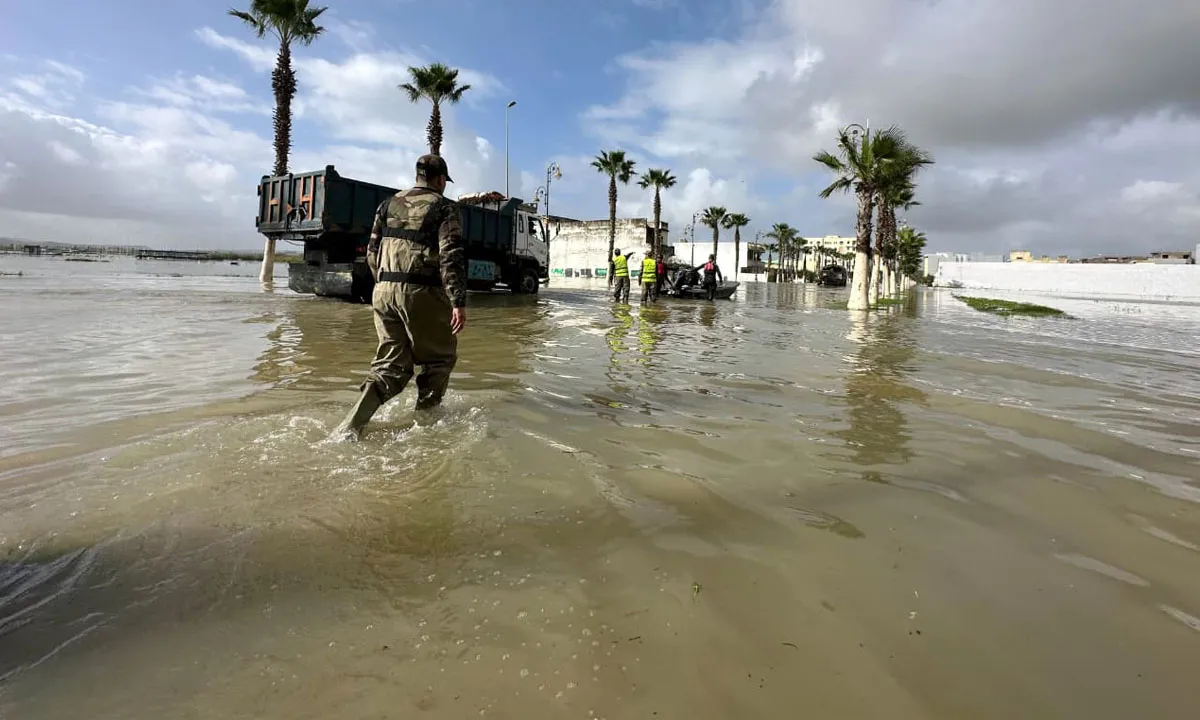
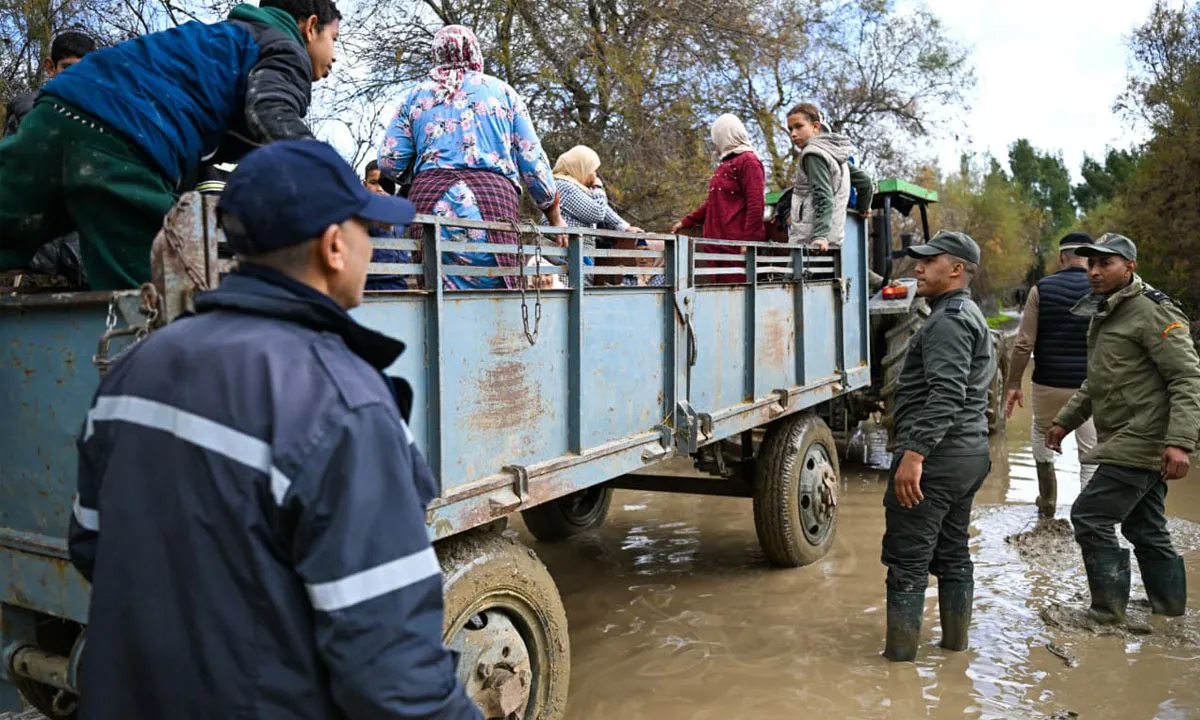
The regional agriculture directorate stated, in a press release regarding this matter, that since the start of the agricultural season, the region has witnessed very significant and regular rainfall across all provinces, which amounted, as of yesterday, Thursday, January 22, 2026, to 560 mm, an increase of 261% compared to the same period last year, which received only 151 mm.
This rainfall was distributed across all districts and provinces of the region, where the Tangier-Assilah district recorded more than 1,000 mm, the Chefchaouen province 691 mm, the Ouazzane province 550 mm, the Loukkos basin 515 mm, the Tetouan province 436 mm, and the Al Hoceima province 182 mm.
This rainfall positively impacted the current agricultural season, particularly in terms of improving plant cover and increasing soil moisture. The cumulative volume of these rainfalls, their regularity, and their occurrence at the right time had a direct positive effect on enhancing the water table, increasing the levels of dams, and promoting the growth of various crops, especially grains, legumes, and vegetables.
Regarding water resources, the dams in the region have seen improvements in filling rates, reaching an average filling level, as of yesterday, Thursday, of approximately 74% for irrigation dams in the region. The dams of Oued Makhazene, Cherif El Idrissi, and Chefchaouen recorded 100%, while the Dakhla dam recorded 28%.
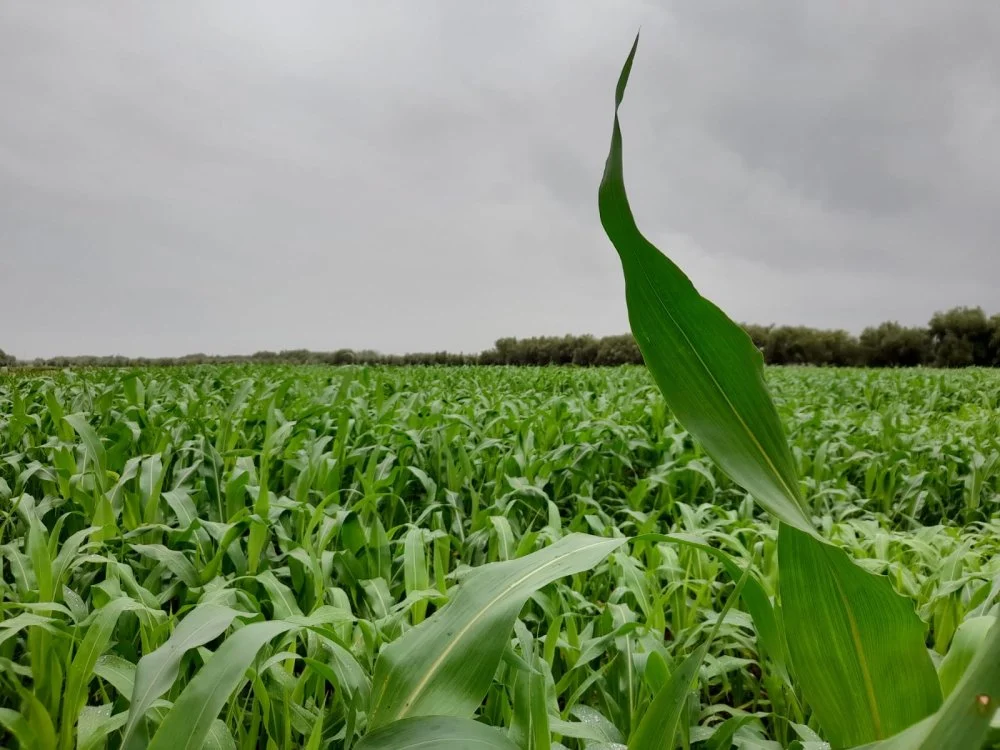
Given the confidence instilled by the recent rainfalls among farmers, the cultivated and planted areas have noticeably increased since the beginning of the agricultural season, reaching over 299,830 hectares for cereals, representing nearly 74% of the planned program, mainly distributed between soft wheat, hard wheat, and barley, with 18,000 hectares for legumes, and more than 59,000 hectares for fodder crops.
Sugar crops, especially sugar beets, also showed significant progress, with an achievement rate exceeding 70%, as more than 6,171 hectares of sugar beets were planted, and 1,027 hectares of sugar cane with an achievement rate of more than 79% of the planned program.
As for the general condition of autumn crops, the rainfalls recorded since the beginning of the year have created favorable conditions to accelerate the planting of cereals and improve their condition. These rainfalls have also had a positive impact on various types of fruit trees in the region, especially concerning flowering and the quality of fruits for olive, citrus, fig, and almond trees in particular.
In the same context, fodder crops and pastures have also improved noticeably, which could contribute to the abundance of food resources for livestock and, consequently, help stabilize the prices of feed, cattle, sheep, and goats.
Concerning fruit trees, especially olives, which cover an area of approximately 189,000 hectares in the region, the rainfalls have contributed to improving the general state of the fruit trees and enhancing production prospects. Additionally, citrus crops, spanning an area of approximately 2,223 hectares, have recorded improvements in productivity indicators.
To consolidate these achievements, the regional office for agricultural investment in Loukkos continues to implement programs for rationalizing irrigation water use and encouraging the adoption of localized irrigation techniques, which currently cover more than 76,000 hectares in the region, as part of the “Green Generation 2020-2030” strategy.
The regional agriculture directorate confirms its ongoing support and guidance for farmers through agricultural counseling and field proximity, while monitoring the health condition of crops and livestock, with the aim of ensuring the smooth operation of the agricultural season and improving productivity.
The statement concluded by noting that the regional agriculture directorate invites all actors and professionals to continue their positive engagement to ensure the success of the 2025-2026 agricultural season, contributing to enhancing food security and achieving sustainable rural development in the Tangier-Tetouan-Al Hoceima region.