

There is no discussion on social media globally except for the decision of the “X” platform to reveal the countries where accounts are based. The interesting thing is that the majority of influential Arabic accounts known for insulting Morocco and King Mohammed VI were found to originate from Qatar.
As mostly expected, the accounts that insulted Morocco and claimed to be based in another country were actually from Algeria. This was not surprising in the context of the Moroccan-Algerian conflict, but the surprise came from Qatar.
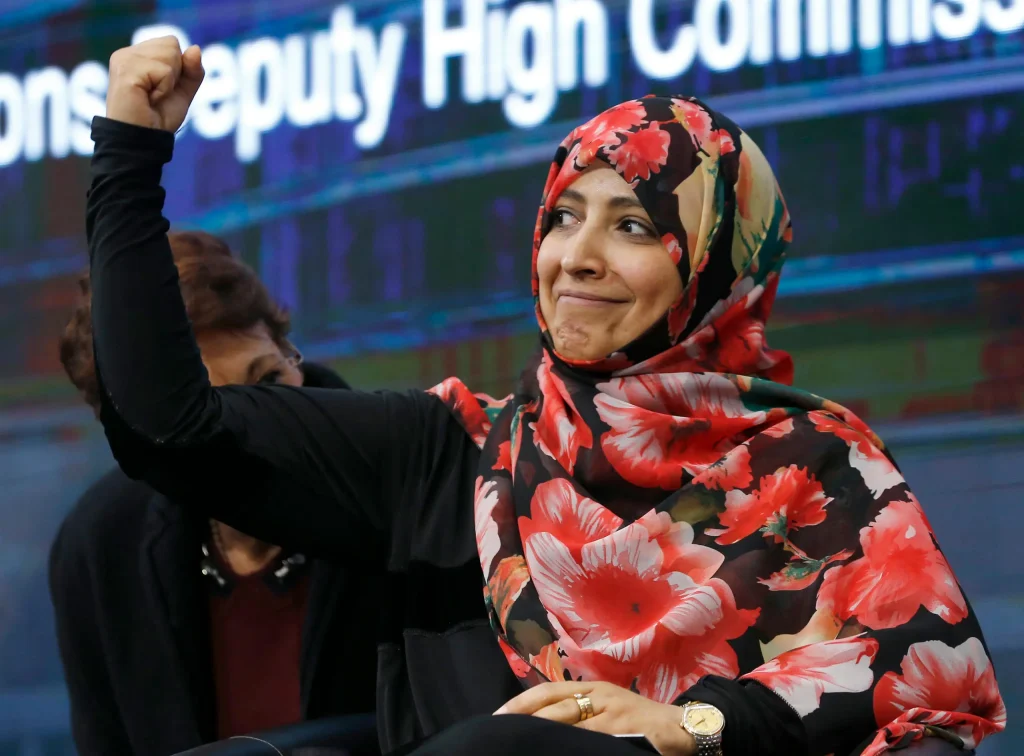
According to what “X” revealed, the Yemeni activist Tawakkol Karman leveled accusations and insults at King Mohammed VI from Qatar and called for inciting the kingdom and storming the royal palace from her residence in Doha.
The same applies to the account of the “Watan” site and its owner, who not only criticized but also deliberately directed insults and slander and spread fabrications, with “Qatar” being reported as their location by “X”.
These two examples and others, after the scandal was revealed, resorted to hiding their country of residence through geographical location, a service currently provided by “X”, but this did not succeed in uncovering the truth about dozens of Arabic-speaking media and journalistic accounts that were launching fierce and organized attacks against King Mohammed VI, against the Abraham Agreements, and against Morocco’s territorial integrity.
Accounts managed from Doha, or from Qatari IP addresses, or registered with Qatari phone numbers, are clearly operated from within Qatari territory, even though their owners sometimes claim to be independent journalists or Algerian or Tunisian activists, or even Moroccans “opposing the regime”.
The issue did not stop at personal attacks against the king or Moroccan foreign policy, but extended to the systematic dissemination of false news about an “economic collapse” in Morocco, or an imminent “hunger revolution”, or an “imminent separation” in the Rif or the Sahara. All these narratives were repeated in one style and with one language.
Moreover, many of these accounts accused any Moroccan voice supportive of their country’s policy as being a “Zionist account” or “funded by Mossad” or “managed from Tel Aviv”. Today, after the “Qatar” label appeared on their accounts, the accusation has boomeranged back at them, turning into a subject of widespread ridicule in Moroccan and Arab circles.
So far, there has been no official or even media statement from Qatar. Regarding the legal aspect within Qatar, penalties for defamation or slander via social media are strictly applied to everyone, including expatriates (foreign residents, who make up the majority of Qatar’s population).
This is primarily based on the Cybercrime Prevention Law No. (14) of 2014, which penalizes the publication of content considered to be offensive, defamatory, or inciting hatred, whether directed at Emir Tamim bin Hamad, state leaders, or even ordinary individuals. Amendments in 2020 imposed harsher penalties for “false news”, and in 2025, new updates were introduced to combat violations of online privacy.
- General offense or defamation: Imprisonment of up to 3 years and/or a fine of up to 100,000 Qatari riyals (about 27,000 US dollars). If the offense is against the emir or state symbols, imprisonment rises to 5 years and may be doubled during times of war or regional tensions.
- Publishing via social media: Republishing or negative commenting is considered a crime, as happened in the case of an Indian expatriate in 2016 who was fined 10,000 riyals for defamation on Facebook. In 2022, right before the World Cup, activists were sentenced to 5 years in prison for “inciting public opinion” through opposing tweets.
- Additional penalties for expatriates: In addition to imprisonment or fines, expatriates face immediate deportation after serving their sentences, loss of residency, and prohibition from returning to Qatar. The Qatari Ministry of Interior regularly warns that “online insult is a criminal act”, and there have been cases where expatriate parents were sentenced to months of suspended imprisonment and fines for defamation against their children’s teachers.
In the context of campaigns against Morocco, this contradiction raises ridicule: while smear campaigns are managed from Qatar, offenses within its borders are heavily penalized, reinforcing Moroccan calls to punish and hold accountable those who deliberately offend and fabricate, beyond the notions of freedom of opinion and expression.