



Researchers in Japan have unveiled findings indicating that the aftereffects of COVID-19, such as fatigue, may arise when a coronavirus infection triggers another dormant virus present in the body.
The World Health Organization reports that approximately six percent of COVID-19 patients experience lingering symptoms, including fatigue, depression, and hair loss. However, the specific mechanisms behind these effects are not yet fully understood.
A team from Tokyo Jikei University School of Medicine analyzed blood samples from over 150 patients seeking help for their symptoms.
They identified a protein known as “SITH-1” in the blood of nearly 70 percent of the patients. This protein is produced when a dormant herpes virus in the body is reactivated.
When the researchers elevated SITH-1 levels in mice, the subjects showed reduced brain function due to neurotransmitter deficiencies, leading to symptoms like fatigue and depression.
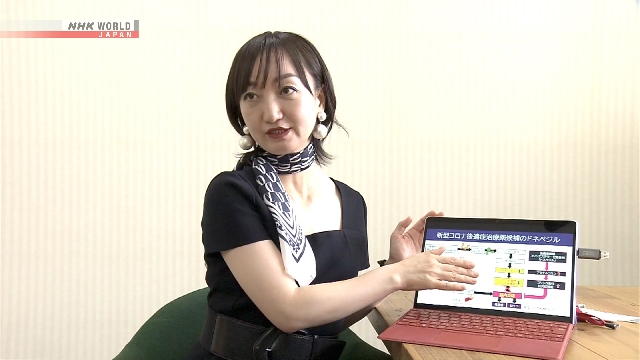
The team concluded that long COVID symptoms may arise when a coronavirus infection activates a dormant herpes virus, resulting in the production of the SITH-1 protein in the body.
Oka Naomi, an instructor at the university, noted that these findings could pave the way for developing targeted therapies to directly tackle the underlying cause.