





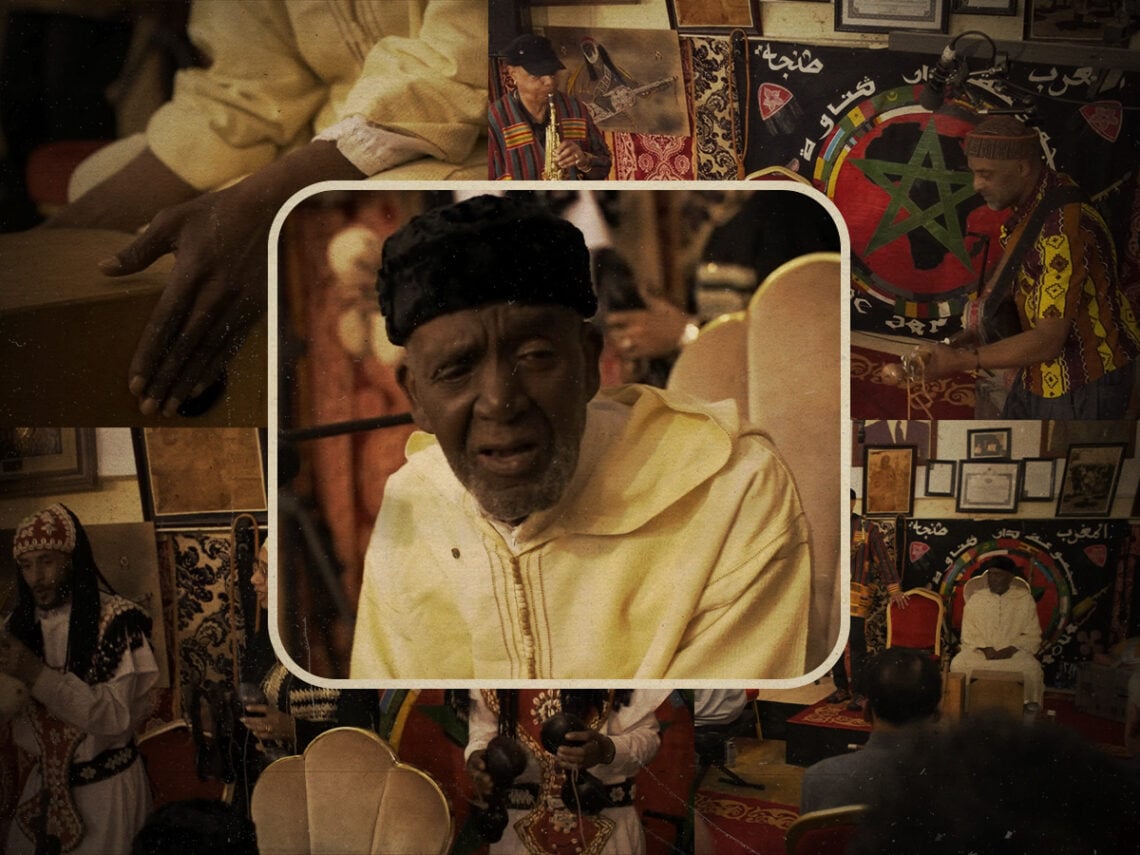
Credit: Far Out / YouTube Stills
Nestled in a narrow alley within Tangier’s Kasbah lies a significant site for Morocco, drawing jazz enthusiasts and fans of Moroccan music alike.
This country is where African, Arab, and European cultures converge, with Tangier just nine miles from mainland Europe across the Strait of Gibraltar. To an outsider, the modest entrance might seem unremarkable—a typical house in a medina—but stepping inside reveals a historic treasure of Moroccan heritage.
This is the tale of Dar Gnawa, a venue frequented by musicians worldwide and functioning as an unofficial bridge linking Moroccan cultural traditions to the global jazz scene.
Gnawa music originates from Morocco’s Black communities, descendants of West Africans who endured slavery and traversed the Sahara. This music is more than a genre; it’s a spiritual heritage passed through generations, intertwining Islamic Sufi practices with African traditional healing ceremonies. Its deep basslines, entrancing rhythms, and repetitive chants captivate listeners.
Founded in 1947 by Abdellah El Gourd in his hometown, Dar Gnawa connects back to the musician’s roots in Gnawa culture. An English speaker and former Voice of America engineer in Tangier, he absorbed Western influences and interacted with visiting artists.
Following its establishment in the 1960s, the house became a gathering place for local and traveling musicians. These informal jam sessions gained a remarkable reputation, and by 1980, Dar Gnawa was officially recognized as a center for preserving and teaching Gnawa music—the first of its kind. This recognition elevated Gnawa music, granting it artistic legitimacy beyond a mere spiritual practice.
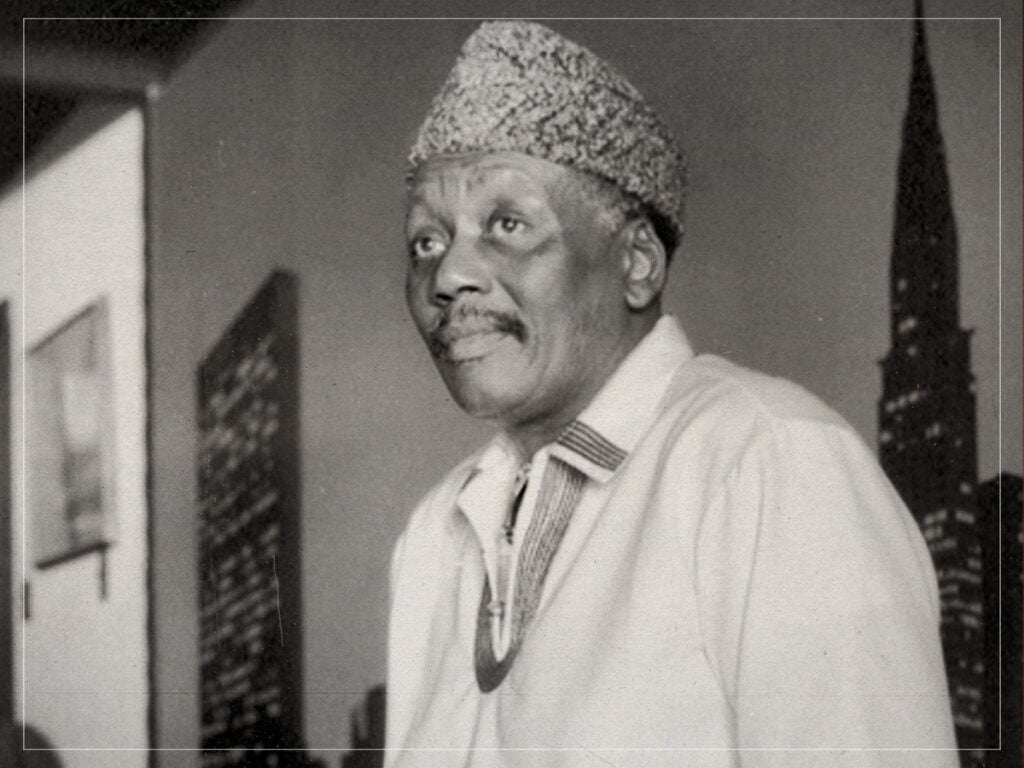
Timing is crucial in life, and Dar Gnawa’s formative years coincided with Tangier evolving into a cultural nexus and a connection between Western and Arabic cultures. During this period, Tangier functioned as an international zone, attracting hippies and creative figures such as Paul Bowles and William Burroughs, who thrived during this eclectic era. With a host of American artists and musicians exploring liberal lifestyles, Tangier became the heart of the bohemian scene.
In the late 1960s, jazz pianist Randy Weston traveled to Morocco seeking the African roots of jazz. He met El Gourd in 1967 and became convinced that African traditions like Gnawa were pivotal in shaping jazz, influencing its rhythms, structures, call and response patterns, spirituality, and improvisation.
The partnership between Weston and El Gourd flourished, leading them to perform regularly at Dar Gnawa and eventually touring internationally, redefining jazz as an art form with deeper roots in Africa rather than being solely an American creation.
In subsequent years, renowned artists like Dexter Gordon, Archie Shepp, Billy Harper, and Odetta visited or collaborated with musicians connected to Dar Gnawa. Though it appeared to be a simple home, spontaneous jam sessions often erupted, lasting deep into the night. This venue became a sanctuary for both Gnawa and the broader jazz community—a space for local and visiting musicians to explore, experiment, and create music. With Moroccan doors, Italian staircases, and European tiles, it symbolizes a fusion of cultures, continually evolving like jazz itself.
Over time, Dar Gnawa emerged as a vital destination for true jazz aficionados, solidifying its reputation as a hub for Gnawa and cross-cultural collaboration. It stands as a testament to music’s power in fostering community and understanding among diverse cultures. At one point, concerns arose over the building’s deteriorating condition, prompting the El Gourd family to temporarily relocate for restoration to prevent its collapse. Fortunately, they succeeded in preserving this cultural landmark, which reopened to the public in 2023.
More than fifty years have passed since the peak of Dar Gnawa’s influence, yet it remains an essential aspect of Morocco’s musical heritage as well as a crucial chapter in jazz history. It serves as a reminder of Tangier’s vibrant past—a haven for dreamers, musicians, and travelers, once perceived as the center of the world.