

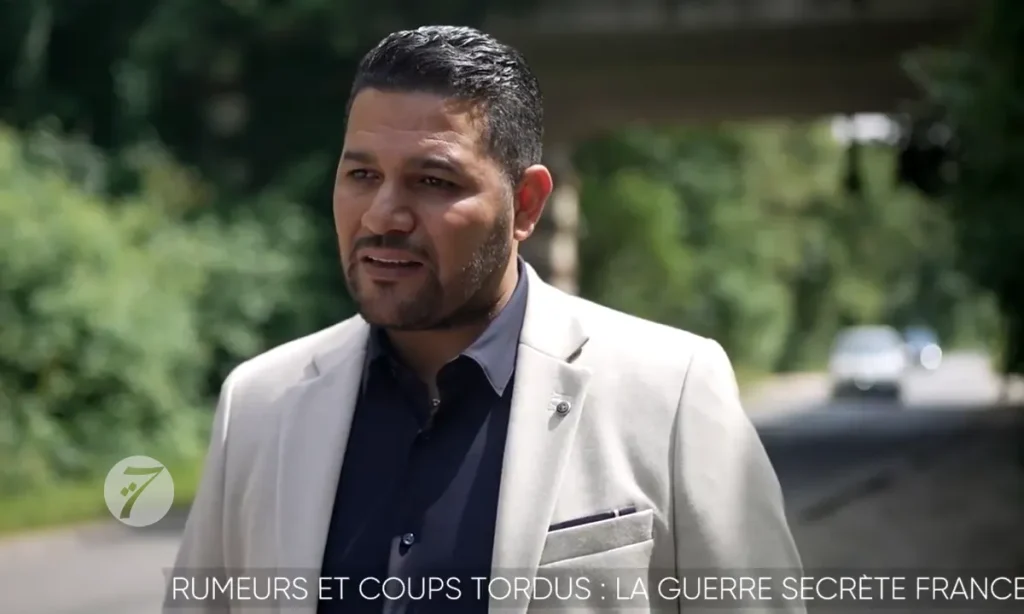
In a controversial television episode broadcast by France 2 on January 22, 2026, as part of the program “Complément d’enquête,” a secret document from the French domestic intelligence (DGSI) was revealed, accusing Algerian intelligence of pressuring elected officials of Algerian descent to promote “Algerian” interests and counter the anti-Algeria media discourse.
This episode, titled “Rumors and Hidden Maneuvers: The Secret War Between France and Algeria,” sparked a wave of controversy in both countries amidst rising diplomatic tensions since 2021.
Historical Context of French-Algerian Tensions
The relationship between France and Algeria has witnessed sharp fluctuations since Algeria’s independence in 1962, following an eight-year bloody war. In recent years, tensions have escalated due to multiple issues, including Algeria’s role in the Sahel region, immigration policies, and historical disputes such as the Paris Massacre of 1961, which resulted in the deaths of hundreds of Algerians. In November 2025, the countries resumed political and security dialogue after 15 months of tensions stemming from France’s recognition of Morocco’s sovereignty over Western Sahara, a decision that angered Algeria, which supports the Polisario Front.
Recent months have also seen an exchange of espionage allegations. In March 2025, French authorities announced the arrest of two French-Algerians on charges of spying for Algeria, one of whom was an employee at the French Ministry of Finance providing sensitive information about Algerians in France, especially asylum seekers.
In response, the French Foreign Ministry prepared a secret list of 800 prominent Algerian figures who would need to provide additional documentation upon entering France, targeting potential spies and holders of Algerian diplomatic passports.
The episode of “Complément d’enquête,” presented by journalist Tristan Walleix, focused on the “secret war” between the two countries, based on a confidential document from French intelligence. The document reveals that Algerian intelligence (the General Directorate for External Security) exerts pressure on elected French officials of Algerian descent to “promote Algerian interests” and “counter the media discourse that criticizes Algeria.”
فرنسا تفضح ضغط مخابرات الجزائر على المنتخبين الفرنسيين من أصل جزائري لترويج أفكار النظام
— Tanja7 (@Tanja7com) January 22, 2026
According to the document, this aims to influence French policy towards Algeria, particularly regarding immigration and colonial history.
The program highlighted the testimony of a local French deputy of Algerian descent who confirmed receiving pressure from Algerian intelligence. It also addressed allegations of recruiting spies in sensitive French departments, such as the Ministry of Finance, where a “Percy spy” was revealed to be protecting Algerian opponents.
The program also noted disinformation campaigns attributed to “Algerian trolls” aimed at tarnishing the image of the French government, especially during celebrations of Algerian Independence Day in July 2025, in addition to diplomats allegedly kidnapping the opposing YouTuber “Amir DZ.”
The program hosted ecologist deputy Sabrina Sbahy, vice president of the French-Algerian parliamentary friendship group, who described Algeria as a “democracy” despite being classified as an “authoritarian regime” in The Economist’s Democracy Index (ranked 110th globally).
She clarified the reason for her vote against a resolution calling for the release of writer Boualem Sansal, imprisoned in Algeria.
It is noteworthy that the program last-minute omitted statements from the former French ambassador to Algeria, Xavier Driencourt, which were critical of Algeria, possibly at Algeria’s request to ease tensions, as Algerian media reported.
How Did the Investigation Anger Algeria?
The program provoked angry reactions in Algeria, where authorities and media deemed it a “disinformation campaign” aimed at tarnishing Algeria’s image. Algerian officials denied any responsibility for espionage or pressure on French officials, considering the accusations to be “based on rumors and unreliable testimonies.”
The Algerian authorities, through their media arms, regarded the investigation as “unbalanced” and aimed at “inciting hatred against Algerians in France.”
On social media, especially on X (formerly Twitter), outrage erupted. Users described the program as “anti-Algeria,” pointing out that it reinforces discrimination against French-Algerians, who are viewed as “potential fifth columnists.”