

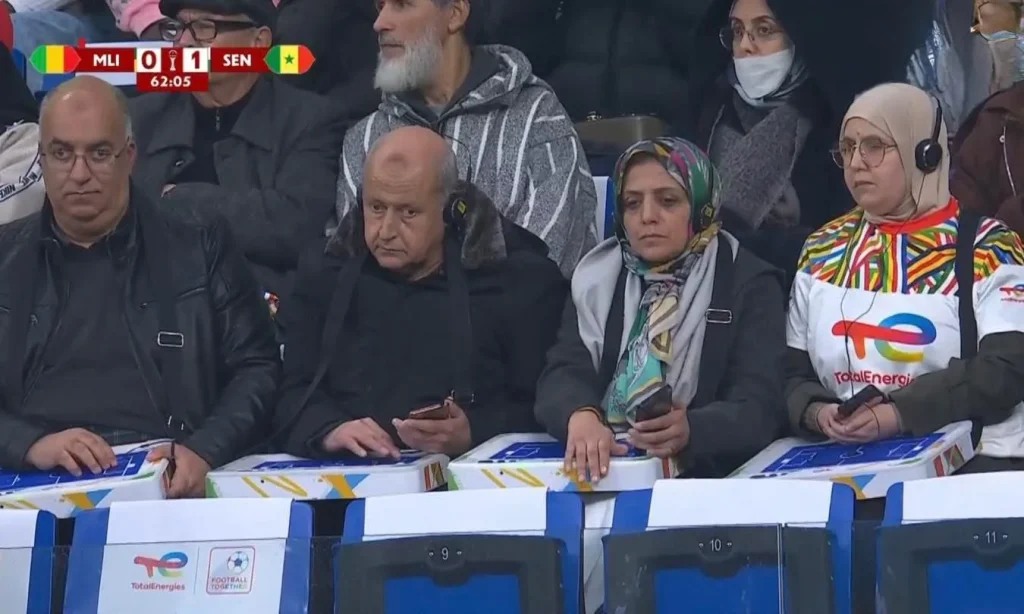

With the African Cup of Nations Football Finals (Morocco 2025) reaching its critical stages, besides the sports stakes, the experience of fans inside the stadiums comes to the forefront, with the available facilities and the conditions provided for access and reception for people with disabilities, considering them an integral part of the football scene and the collective celebration of this prestigious continental championship.
In this context, accessibility and inclusive facilities within the stadiums represent a fundamental element that enhances the presence of people with disabilities, and an indicator of the extent to which the principles of fairness and equal opportunities are respected, embodying a truly open sports space for everyone without discrimination or exclusion.
This requirement holds particular importance in the major stadiums hosting the tournament matches, foremost among them is the Prince Moulay Abdellah Stadium in Rabat, which has undergone works aimed at improving reception conditions and enhancing access fluidity, in line with the organizational demands of the continent and striving to respect inclusive access standards.
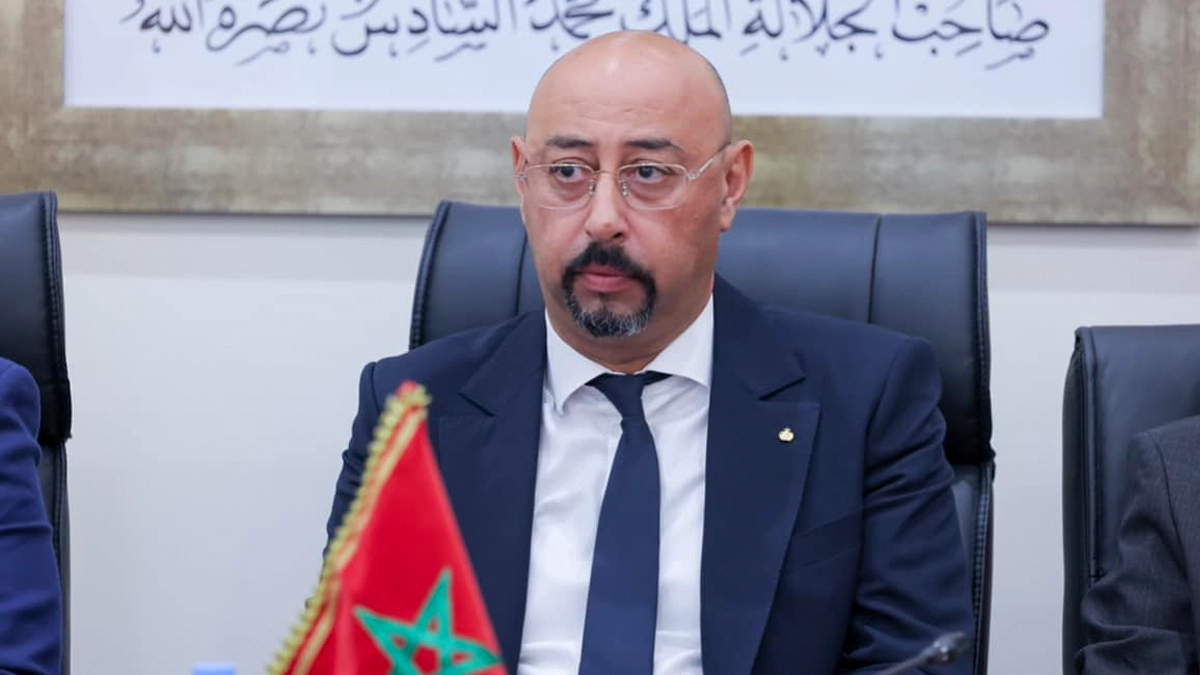
In this regard, the Director General of the National Agency for Public Equipment, Zineb Benmoussa, confirmed that the reconstruction of the Prince Moulay Abdellah Stadium paid special attention to the equipment for people with disabilities, according to a comprehensive approach aiming to ensure dignity, independence, and safety, and to make the stadium a space available to all categories of the public without exception.
Ms. Benmoussa clarified, in a statement to the Moroccan News Agency, that this approach primarily involved enhancing accessibility and mobility within the stadium, by providing dedicated elevators connecting the upper corridors with parking lots and the under-stands walkways, ensuring smooth and safe movement between different levels.
She added that the stadium was equipped with ramps that meet globally recognized standards, in addition to establishing clear and protected pathways within public spaces, allowing people with disabilities to move easily and without obstacles.
She also noted the preparation of entrances to the stadium with designated and direct pathways for this category at various access points, in order to facilitate passage, reduce waiting time, and avoid congestion, in addition to allocating about 650 prepared seats within the stands for them and their companions, which represents about one percent of the total seating capacity of the stadium, while ensuring a good view of the pitch and proximity to equipped health facilities.
For his part, the President of the Royal Moroccan Federation for Sports for Persons with Disabilities, Hamid El Aouni, confirmed that the presence of designated seats and comfortable spaces for people with disabilities inside the Prince Moulay Abdellah Stadium constitutes a positive gain.
He added that adopting a comprehensive and inclusive approach in equipping the stadiums would encourage people with disabilities and their families to attend and follow sports events actively, especially if special pathways are created, reduced fees are implemented, and their specific needs are respected.
He explained in this context that enhancing training and awareness would improve this group’s experience within the stadiums and establish a human and inclusive dimension, considering sports as an open space for everyone without discrimination.
Inclusive facilities reflect a trend towards establishing an organizational model based on humanization, reinforcing the culture of universal access and enhancing everyone’s right to access sports facilities.