
The U.S. Central Command (CENTCOM) announced the start of a new round of airstrikes on several targets in Iran during the night, just hours after U.S. President Donald Trump threatened to launch severe attacks if a peace agreement was not reached.
CENTCOM stated in a statement published on its X account: “These strikes are in response to the Iranian aggression that is unjustified and ongoing,” indicating that the operation began at 21:15 GMT.
Escalation Threatening Full-Scale War
These attacks are considered the latest episode in a series of strikes exchanged between the two sides, which threatens to ignite a large-scale war again, following a temporary halt in early April after a fragile ceasefire agreement.
The Iranian news agency Mehr reported hearing loud explosions in the coastal city of Sirik in southern Iran, with air defenses activated in western Tehran.
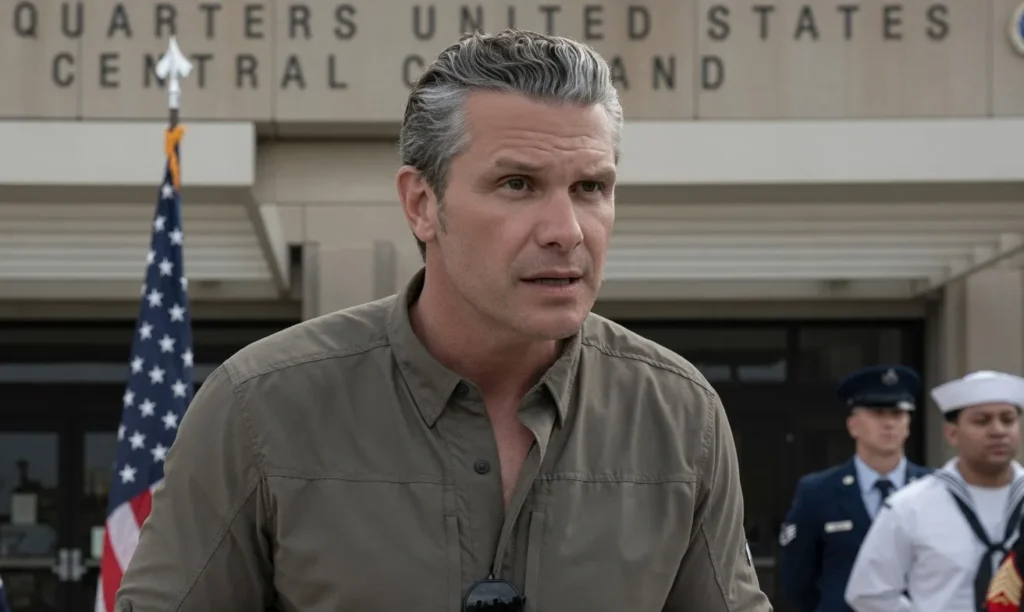
Trump told reporters at the White House today: “We will attack them… we will attack them very strongly.” Defense Secretary Pete Hegseth added during a visit to CENTCOM in Florida: “We will deliver a strong blow to them tonight, and we hope Iran makes the right decision. If negotiations require bombs, then we will negotiate with bombs.”
Targeting Hormuz Defenses and Iranian Response
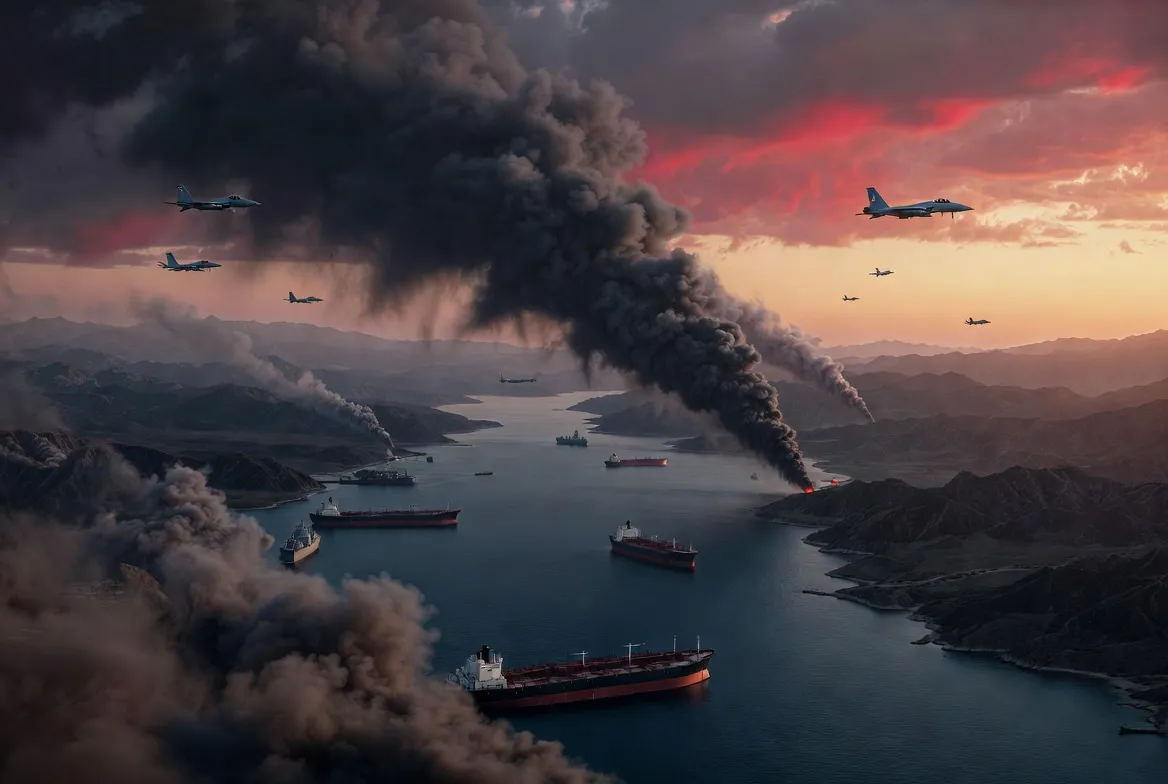
The U.S. strikes targeted air defenses and radar sites around the Strait of Hormuz, following the downing of an American attack helicopter near the strategic waterway. Iran responded with missile and drone attacks on American bases in Jordan, Kuwait, and Bahrain, with no significant damage reported, according to an American official.
Iran accused Washington of violating international law by bombing water tanks that supply 10 villages, with Iranian Foreign Ministry spokesman Ismail Baqaei describing the attack as a “premeditated war crime and a flagrant violation of human rights.”
Secret Mission to Ensure Oil Flow
Trump revealed today a secret mission carried out by the U.S. military, which transported over 100 million barrels of crude oil through the Strait of Hormuz under American protection “at midnight and in a way that Iran cannot see or stop,” as he expressed.
Hegseth noted that this operation prevented a larger increase in oil prices. Oil prices rose by about three dollars per barrel today, reaching 94 dollars, amid Iran’s closure of the strait and a U.S. blockade of Iranian ports.
The U.S. military announced the prevention of an Iranian oil tanker passage in the Gulf of Oman yesterday, Tuesday, for the second consecutive day.
Continued Fighting in Lebanon
The escalation in the Gulf coincides with ongoing fighting between Israel and Hezbollah in Lebanon. Lebanese security sources reported that Israeli airstrikes on southern Lebanon resulted in the deaths of at least 13 people today, while Hezbollah announced new attacks on Israeli forces.
Conflicting Demands and Diplomatic Efforts
Tehran demands the lifting of U.S. and international sanctions, the release of frozen assets, recognition of its sovereignty over the Strait of Hormuz, and a ceasefire in Lebanon. In contrast, Trump conditions the lifting of Iranian restrictions on maritime navigation and guarantees that Iran will not acquire a nuclear weapon – a claim that Tehran denies.
On the diplomatic front, a Qatari delegation arrived in Tehran today for talks on the latest developments, as part of Qatar’s mediation efforts between the two sides. The Board of Governors of the International Atomic Energy Agency today approved a U.S.-backed resolution demanding Iran disclose its enriched uranium stocks and allow inspectors to verify them, which Iran described as a “political decision.”