


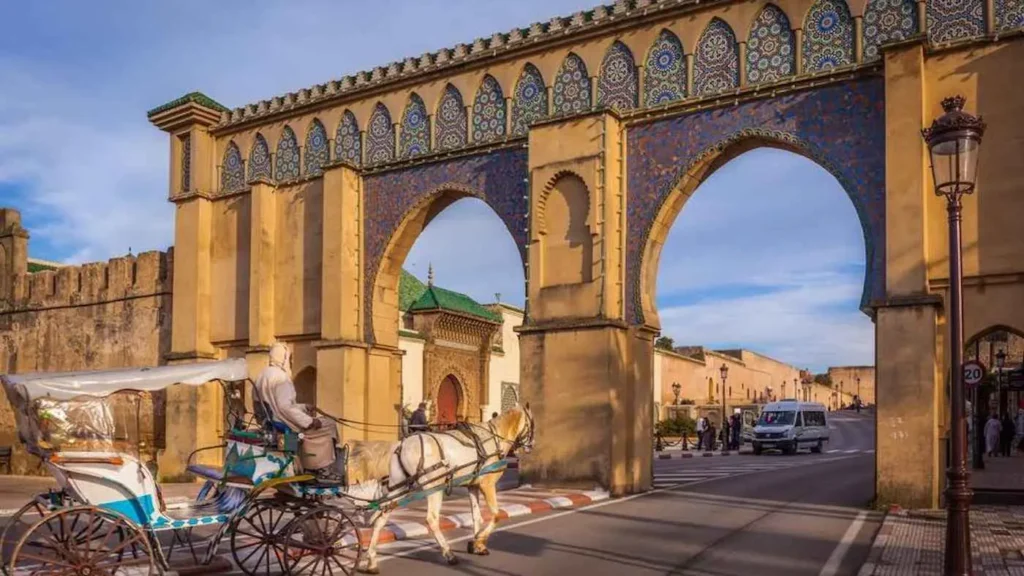

The Fes-Meknes Regional Council approved nine partnership agreements for the implementation of development projects during an extraordinary session held today, Wednesday, in Fes, with the highlight being the project to construct a large stadium in the city of Meknes, with a total financial envelope nearing 600 million dirhams.
The partnership agreement for the establishment of this sports facility involves the Ministry of National Education, Preschool Education, and Sports, which will contribute 150 million dirhams, the Fes-Meknes region with a contribution of 100 million dirhams, the Meknes Prefectural Council with 10 million dirhams, the Meknes Municipality with 30 million dirhams, the Al-Machwar Municipality with 10 million dirhams, in addition to the Royal Moroccan Football Federation which will contribute 300 million dirhams.
The agreement specifies the contributions of the various signing parties for the construction of the large stadium in Meknes, as well as the general conditions related to its management and operation.
The Royal Moroccan Football Federation has been designated as the project owner, while the delegated project owner’s role has been assigned to the National Agency for Public Equipment.
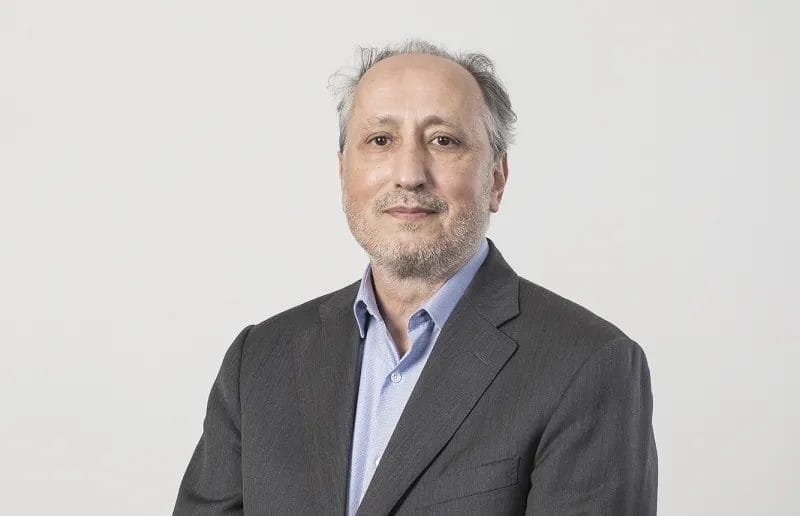
In a statement to the Maghreb Arab Press, the President of the Fes-Meknes Regional Council, Abdel Wahid Al-Ansari, confirmed that this sports facility will represent an important added value for the region, especially in light of the Kingdom’s preparations to host the World Cup finals in 2030.
Mr. Al-Ansari pointed out that the Fes-Meknes region is concerned with receiving several participating teams, making this project “a new lever added to the various developmental projects taking place in the region.”
In the field of vocational training, the council approved a partnership agreement project to develop the training institute for construction and public works in Fes, after modifications were made to the agreement previously approved during the July 2025 session, including assigning the project owner status to the Ministry of Equipment and Water instead of the National Federation of Construction and Public Works.
The total cost of this project is 14 million dirhams, of which 9.8 million dirhams is contributed by the regional council and 4.2 million dirhams from the Ministry of Equipment and Water.
The council members also approved a project agreement for the construction of the road leading to the Ras Al-Ma logistics area in the Moulay Yacoub region, aiming to enhance accessibility and improve the flow of movement in this economic area.
The total cost of the project is 30 million dirhams, with the region contributing about 25 million dirhams, while the Ain Chqaf Municipality, as the project owner, contributes 5 million dirhams.
As part of strengthening infrastructure in rural areas, the council approved a specific agreement concerning the preparation and paving of pathways and the maintenance of roads constructed in the Taounate region, within the framework of the regional development program and the program to reduce regional and social disparities, with a total financial envelope approaching 20 million dirhams.
The council also approved an amendment to a partnership agreement aimed at acquiring and providing transportation means and logistical equipment for the royal gendarmerie in the Fes-Meknes region, to also include the preparation of a gendarmerie barracks in the city of Ifrane.
The total cost of this project is 20 million dirhams, distributed between 6 million dirhams allocated for acquiring transportation means for the regional command of the royal gendarmerie in Fes, and 14 million dirhams for preparing the new barracks in the city of Ifrane.
The council members also approved a project partnership agreement to build a new prison facility in the province of Sefrou with a capacity of up to one thousand beds, at a total cost nearing 120 million dirhams, with contributions from the regional council, the Sefrou provincial council, the Sefrou Municipality, and the General Delegation for Prison Administration and Rehabilitation.
The regional council’s contribution to this project amounts to 30 million dirhams, while the General Delegation for Prison Administration and Rehabilitation contributes 60 million dirhams, with other partners sharing a contribution of 30 million dirhams.
In the environmental field, a specific project agreement was approved to enhance the air quality monitoring network in the Fes-Meknes region, with a financial cost of 8 million dirhams, as part of the continued implementation of the national air quality monitoring program for the period 2020-2030 and the completion of the second phase of the project to enhance the monitoring network in the region.
This project aims to increase the number of air quality measurement stations in the region from nine stations currently to 15 stations by 2030.
The council also approved a specific project agreement to enhance and expand the traditional industry activity area in Benjellil and to create a road for access, with a total financial envelope nearing 58 million dirhams, in which the region contributes an amount of 38 million dirhams, along with the State Secretary responsible for traditional industry.
This project aims to improve the working conditions of traditional craftsmen and professionals in the area, expand the space designated for artisanal activities, facilitate access and mobility, as well as enhance the competitiveness of traditional products in the region.
In the health sector, the council approved the allocation of financial resources to support and improve health services at healthcare institutions across various regions of the area, contributing to enhancing health service provision, bringing medical services closer to citizens, and improving the quality of healthcare provision to better meet the needs of the population.
The President of the Fes-Meknes Regional Council confirmed that the extraordinary session was marked by the approval of “rich and structured” projects that would contribute to improving the living conditions of citizens, enhancing the attractiveness of the region, and increasing its economic, tourism, and social competitiveness, in line with the developmental dynamics that various regions and provinces of the area are experiencing.